

About Me
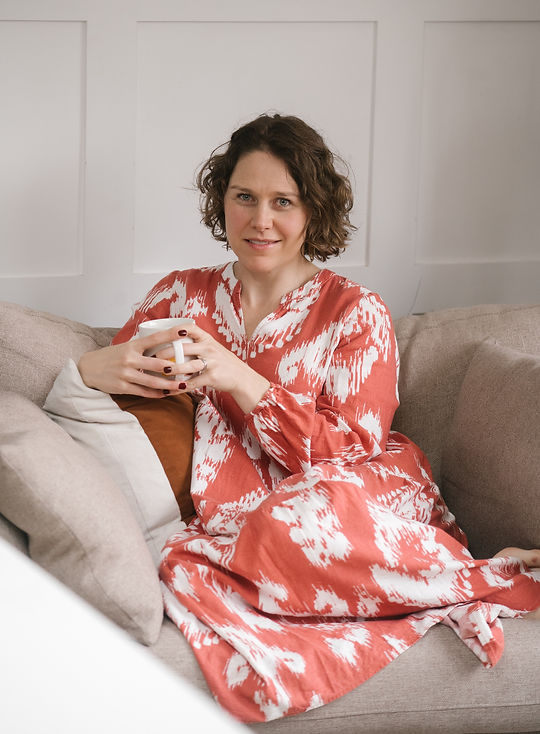
I am Deoné. I work with individuals and teams on the way we work and live: the choices we make, and the systems that influence them.
Though we choose some of what influences us, some of it happens to us. Either way, you have the opportunity to keep becoming the kind of leader, team or person you want to be.
My own life has involved a lot of adaptation. Among other things, I've moved countries, followed a squiggly career path, and left a corporate career to start a business I believe in.
Accountancy served me well. Among much else, it gave me an appreciation of the systems that govern our largest organisations and the tensions faced by those who lead in them.
I believe we each have a part to play in the world we're shaping. My work is for people who believe the same, and who want a way to ride the waves of possibility and pressure that come with working and living inside systems that are larger than us.
How to get in touch
A 20-minute discovery call: Best if you're considering one-to-one coaching or want to discuss how I can help your organisation or your team.
Attend a free workshop: I run free workshops for leaders and team leads who want to get a feel for what my workshops, and team and leadership work is all about.
Book onto group coaching: Good if you get more from learning alongside others. Different options for different needs. The first one is free and pricing is designed to suit all budgets thereafter.
Use my contact form for speaking enquiries or any other queries.
FAQ
Who do you work with? Teams and organisations who sense their way of working could be better. I facilitate bespoke sessions or existing meetings to help your team access the best they have to offer. I also offer specific programmes that can be embedded into a change or transformation programme as a way to reduce risk post adoption. Consultancies who want their engagements to land. I work alongside your team to offer a space for listening and translation, so the risks only the insiders can see get raised early. Individuals and leaders who want their way of working and living to fit who they are. These are often people who have a sense of purpose, but feel that forces outside of their control make it hard to fulfil.
What's the difference between facilitation and coaching? Facilitated sessions are for teams. I blend coaching with short explanations of the thinking behind what we are doing. We then use a structured cycle (agree, experiment, review) so the team embeds the changes it chooses, rather than just discussing them. Coaching focuses on you. One-to-one, we work towards outcomes we agree together. In groups, we explore themes relevant to everyone's situation, and participants often find they learn a lot from each other.
How do I know if this is right for me or my team? If you are looking for ready-made answers or someone to tell you what to do, it probably isn't for you. If you want to make the most of you and your team's capabilities, experience, strengths and ideas it might be for you. Especially if you are open to being challenged and thinking from new perspectives. A 20-minute call or a message through the contact form is the easiest way to find out.
How is coaching different from therapy? The key distinction for me is that coaching does not view anything about you as a problem to be fixed. While some strands of therapy are also person‑centred, coaching tends to be more forward‑looking, giving you space to find the best way forward for yourself. I do not offer ready‑made solutions. I trust that you know yourself and your situation best. My role is to listen and offer questions, reflections, and tools that might support your process. Though we may reflect on the stories that shaped you, this will always be in service of where you want to go, always with your future in mind.
Do you work with neurodivergent people? Yes. I'm neurodivergent myself. I don't offer specialist workplace-adjustment coaching; my approach is strengths-based, and I adapt sessions to suit you, whether that's pace, session length, breaks or written follow-ups. Human Space is a group specifically for people working with fluctuating capacity. If the aim is support at work, I prefer to work with the team, or to coach you alongside your line manager. Lasting improvements usually come from the system adapting together (even if it is just your immediate colleagues and not the whole system that changes). What's shared with your manager is always agreed with you upfront.
What happens in a discovery call? Twenty minutes, usually by video. We talk about what's prompting you to get in touch and whether I'm the right fit. You'll leave with a clear next step, whether that's with me or not.
How does pricing work? My work with organisations and employer-funded coaching is priced according to the value it creates. Before we agree anything, we'll discuss what a successful outcome would be worth and agree a fee that feels fair for the work involved. Individual, self-funded coaching starts from £150 per session. We'll agree a fee during our discovery conversation and I'll confirm it in writing before we begin. Group coaching works differently. Rather than a fixed fee, you choose your contribution. These groups are professionally facilitated coaching spaces and draw on the same coaching approach I use with leaders, teams and organisations. If I were setting a fixed fee, I would typically charge around £50 per person per session. Instead, I have chosen a contribution model because I want the groups to be available to people in different circumstances and at different stages of life. What we can afford at any moment says very little about who we are. We all move through seasons when money feels more or less available. Your first group session is free. After that, you choose your contribution and can opt to contribute a pay-it-forward rate if you'd like to help make the groups accessible to others. The contribution reflects your circumstances, not the quality of the experience.